We Need to Have an Honest Conversation About Masculinity
We are told there is a crisis in masculinity. Men are falling behind in school, disengaging from work, and withdrawing from dating. In response, public discourse has converged on a familiar explanation: men are failing to adapt to a world in which women are no longer constrained by traditional roles. Those who struggle are cast as resentful “incels”, figures portrayed as socially defective, morally suspect, and potentially dangerous.
This narrative implies that the problem is both marginal and ideological. A small group of maladjusted men, radicalized online, threaten social stability through their entitlement to sex. Governments fund research programs, media outlets publish warnings, and educators are tasked with early intervention.
But this framing collapses under even minimal scrutiny.
What Is an “Incel,” Really?
The term “incel” originally referred to someone who is involuntarily celibate, unable to find sexual partners despite wanting them. Today, however, the word functions less as a description and more as a moral accusation. It is used to signal that a man is not merely sexually unsuccessful, but socially illegitimate.
The actual size of self-identified incel communities is vanishingly small relative to the population they are said to threaten. Even among those who participate in such forums, many do not meet the literal definition. Sexual access is not unavailable to them in an absolute sense; it is unavailable on the terms that confer status.
This distinction matters.
Sexual Access as Status, Not Pleasure
To understand the psychology associated with “incels,” we must separate sex as a physical act from sex as a marker of worth. The cultural message absorbed by boys and men is not simply that sex is desirable, but that it is diagnostic. It signals value, normalcy, and legitimacy in the eyes of others.
This belief is not confined to online forums. It is embedded in jokes, insults, dating discourse, and social hierarchies. “Virgin,” “loser,” and “incel” function as synonyms, not because sex is inherently meaningful, but because we have collectively decided it is.
When someone like Elliot Rodger articulates this logic in its most explicit and pathological form, the public reacts with horror. Yet the premises he operated under were not fringe. They were ambient.
The Alpha Male and the Incel Are the Same Figure
The so-called “alpha male” is often presented as the opposite of the incel. In reality, they are products of the same incentive structure.
If male worth is measured by sexual access, two outcomes emerge:
-
Those who succeed become obsessed with accumulation, comparison, and dominance.
-
Those who fail internalize shame, resentment, and self-erasure.
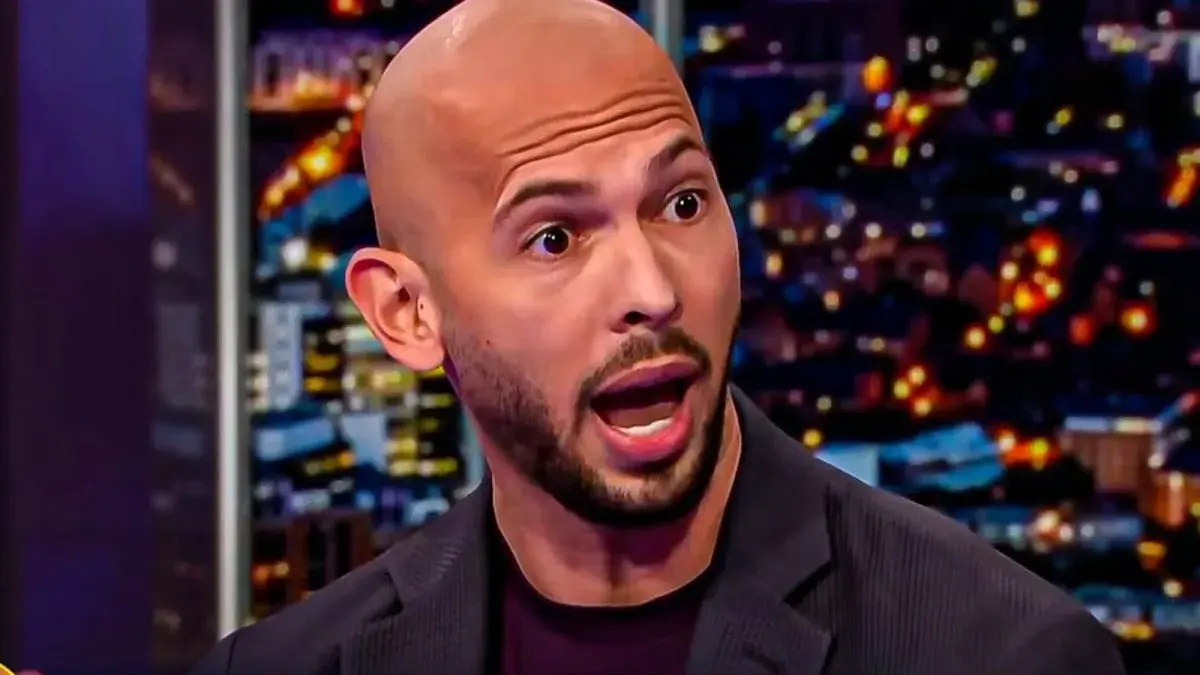
Figures like Andrew Tate and Elliot Rodger sit at opposite ends of this spectrum. One converts sexual access into spectacle and power; the other experiences its absence as existential negation. Both accept the same premise. The difference is material outcome, not ideology.
Why “Incel” Persists as a Cultural Fixation
The obsession with incels serves a social function. It allows society to externalize the consequences of its own values. By pathologizing a small, visible group, we avoid examining the broader system that equates intimacy with status and worth.
Calling someone an incel does not challenge this system. It enforces it.
The insult works precisely because it affirms what it pretends to reject: that a man without sexual validation is deficient.
From Status to Transaction
As relationships are increasingly framed in terms of risk, labor, and liability, intimacy becomes something to be justified, optimized, or avoided. In this context, it is not surprising that transactional alternatives gain legitimacy. If sex and emotional connection are treated as services, then purchasing them outright appears rational rather than deviant.
This shift does not resolve the underlying issue. It merely makes explicit what was previously implicit: that intimacy has been detached from obligation, reciprocity, and long-term investment.
What This Reveals
The fixation on incels is not about preventing violence or addressing loneliness. It is about maintaining a moral narrative that allows society to condemn its own reflection.
The problem is not that some men feel entitled to sex. The problem is that we have collectively agreed, often silently, that sex is what makes a man count.
Until that premise is examined, the cycle will continue: shame, polarization, commodification, and retreat.